How To Prepare For An Open House
- september 9, 2021
0 comments
- MyBrokerSearch
- category:
Home design
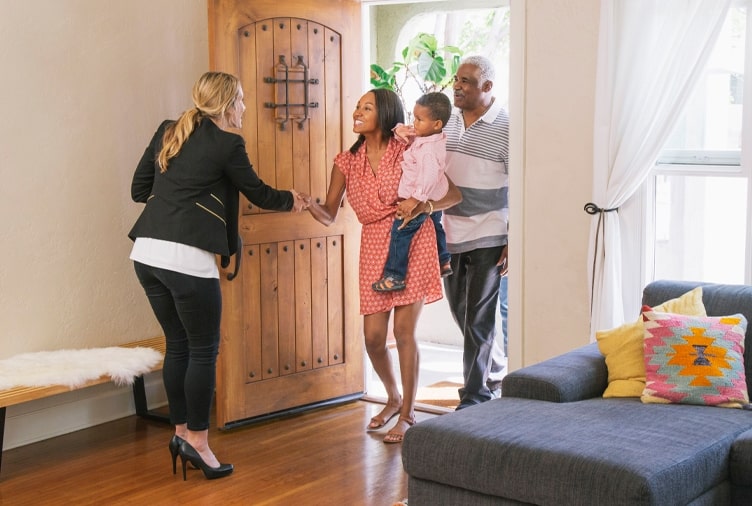
Pare down and organize your belongings
Buyers want to be able to visualize themselves—and their things—in your home. Make this task easier for them by simplifying the space. When it comes to preparing for an open house, less (stuff) is more.
Get rid of excess furniture: Oversized or too much furniture can make even spacious rooms seem small and crowded. Give your home some breathing room by removing excess pieces.
Declutter: clutter is a major distraction when buyers are walking through a home. You want them to focus on all the great features of the house, not stare at the mountain of unfolded laundry in the corner of the closet or the stack of mail cluttering up the kitchen counter.
Depersonalize: in addition to clearing out the clutter, you’ll want to do some depersonalization, removing items like framed family photos and memorabilia. It’s hard for a buyer to picture living in the home if they see photos of you around every corner.
Organize closets and cupboards: according to the Group Consumer Housing Trends Report, almost half of all recent buyers list ample storage as a requirement. Even if your home has plenty of closets, storage areas, and pantry space, if every nook and cranny is filled to the brim, it’ll give the impression that there’s not enough space. Take at least half of the belongings from each storage area and box them up.
Consider open house staging: hiring a stager can be as simple as having a professional walk through your home and make recommendations for DIY changes, or as involved as hiring a full-service staging company to create a whole new look for your home. A consultation can cost between $100 and $150 an hour, and full-fledged staging is either charged on a per-room basis ($250 to $500 per room) or occasionally as a fee of 1% to 3% of the final sale price. There are plenty of staging tips you can implement on your own, too.
Deep clean for a fresh look and smell
Now that you’ve cleared out the excess and organized what’s left, it’s time to make it sparkle. There’s no better way to show buyers you’ve taken good care of your home than for it to be spotless!
Hire a cleaning service: If you’re too busy with the many other tasks that come with getting your house ready to sell, consider hiring a cleaning service (and maybe a professional organizer!) to come in and do a one-time deep clean of the home, from baseboards to backsplashes and closets to cobwebs.
Professionally shampoo carpets: There’s nothing worse than dingy, dirty carpets. A professional carpet cleaning will give new life to tired carpets and make your home smell fresh and new.
Wash the windows: Natural light is a huge selling feature, and you’ll be surprised how much extra light you can let in just by cleaning the windows — both inside and out.
Clean up the front entrance: the walkway up to your property and the front entrance are your home’s first impression. Power wash outside, touch up paint in the entryway, and clear out any dirt and grime that has collected around the edges.
Don’t overdo it with scents: A newly cleaned home will smell good on its own, so don’t rely heavily on air fresheners and candles. Strong smells can be a turn off to some buyers, and they might think you’re trying to mask something smelly.
Make necessary repairs
Buying a home is a huge investment, so you better bet that potential buyers are looking at your home with a critical eye. It’s always worth the time to make a few repairs, especially if there are any true eyesores.
Paint: Adding a fresh coat of paint throughout the home is one of the easiest things you can do to spruce up your listing. Make sure to use a neutral color that will appeal to most buyers.
Address cosmetic issues: Adding a fresh layer of caulking in the bathroom, patching holes in walls, and replacing light bulbs can help potential buyers focus on what they like about your home, instead of fixating on small — but obvious — issues.
Tackle outdoor spaces: Prune any overgrown landscaping, cut back tree branches, and mow the lawn.
Focus on curb appeal: Make sure the home is making a good first impression. Fix torn window screens, repair loose gutters, and power wash the driveway and/or walkway.
Strengthen the online listing
Once you’ve organized, cleaned, and repaired, you’ll want to make sure the listing itself reflects all your hard work! A great online listing is the best way to get potential buyers through the door for your open house.
Add a video: A virtual tour or video is a wonderful way to make your property stand out, and it’s never been easier to create your own. Try 3D Home, which lets you create a 3D tour with your iPhone.
Include a drone-captured photo or video: Give buyers a birds-eye view of your property and the surrounding neighborhood with a photo or video taken by drone.
Use more photos: According to research, a home with fewer than nine photos is about 20% less likely to sell in 90 days than a home with 22 to 27 photos. So, aim for two dozen really great images of your listing.
Promote the open house
If you want your open house to be packed with people, it’s crucial to make sure everyone knows when it’s happening and how to find it. Open house advertising comes in many forms, including traditional and digital methods.
Add it to your listing: Have your real estate agent add your open house to the listing, which will also make it show up on other online real estate sites.
Post signs: Add an “Open house Saturday” sign to your existing real estate signs, place an additional sign in the front yard, and use plenty of directional signs to help people easily find the house, especially on main roads.
Use balloons: On the day of the open house, tie balloons to the signs to catch the attention of both passers-by and those who are seeking out your open house.
Be smart about timing: Most open house times are from 1 to 3 p.m. Start yours at noon or run until 5 so you aren’t directly competing with every other open house in the neighborhood.
Open house etiquette
Offer food and drinks: A friendly atmosphere invites potential buyers and their agents to stay and chat.
Open curtains and blinds: Let in the natural light (through your clean windows!) wherever you can.
Close toilet seats: Enough said.
Pull cars out of the garage and driveway: This will highlight storage inside the garage and give buyers an unobstructed view of your home from the curb.
Remove all signs of your pet: In the same way that you should depersonalize, tuck away your pet’s toys, bowl, and bed. Not everyone is a pet person.
Secure valuables and medication: Unfortunately, open houses are a target for thieves. Remove valuables like jewelry, plus all prescription medication, before the event.
Hit the road: Unless you’re selling your home yourself, leave the actual hosting of the open house to your real estate agent. Buyers will feel more comfortable walking through the home and will speak more freely about their impressions if they know the owner isn’t present.
Provide flyers: Most buyers hit up multiple open houses in a weekend, so you’ll want to make sure they remember yours. Hand out flyers that include all the key details, like list price, important facts, key features, and photos.
Have comps available: If your attendees are serious buyers, your open house probably isn’t their only stop that day. Have printouts of nearby comparable homes so you or your agent can speak to their similarities and differences.
Get feedback: The people who attend your open house are an incredible resource. Have your agent follow up with their agent to get their honest feedback on the home — good or bad. Alternatively, consider having buyer feedback cards on site.
Coping with the stress
Putting your house on the market can be a stressful experience, especially when you consider the added pressure of inviting strangers into your home during an open house. Luckily, real estate agents are experts in the entire listing process, so ask your agent to take the lead on most of these open house tips and manage the private showings that will likely follow.
ARCHITECTURE
design
house
LEAVE A REPLY
JENNIFER SMITH


Team Lead | REALTOR®
Having the right Real Estate Agent means having an Agent who is committed to helping you buy or sell your home with the highest level of expertise in your local market. This means also to help you in understanding each step of the buying or selling process. This commitment level has helped me to build a remarkable track record of delivering results. Nothing is more gratifying to me than the feeling I get from helping people meet their Real Estate needs. You can count on me always to do what’s in your best interest. I pride myself on being honest, trustworthy, and knowledgeable in the Real Estate market. I know how important it is to find your dream home or get the best offer for your property. Therefore, I will make it my responsibility to help you achieve those goals. Whether you are an experienced investor or a first time buyer, I can help you in finding the property of your dreams. The next time you’re poised to enter the market, I’d be honored to guide you through this important experience. To learn more about my Real Estate services, please don’t hesitate to give me a call today!
Template3FAQ

What is the first step of the home buying process?
Getting pre-approved for a mortgage is the first step of the home buying process. Getting a pre-approval letter from a lender gets the ball rolling in the right direction. Here’s why: First, you need to know how much you can borrow. Knowing how much home you can afford narrows down online home searching to suitable properties, thus no time is wasted considering homes that are not within your budget. (Pre-approvals also help prevent disappointment caused by falling in love with unaffordable homes.) Second, the loan estimate from your lender will show how much money is required for the down payment and closing costs. You may need more time to save up money, liquidate other assets or seek mortgage gift funds from your family. In any case, you will have a clear picture of what is financially required. Finally, being pre-approved for a mortgage demonstrates that you are a serious buyer to both your real estate agent and the person selling their home.
How long does it take to buy a home?
Getting pre-approved for a mortgage is the first step of the home buying process. Getting a pre-approval letter from a lender gets the ball rolling in the right direction. Here’s why: First, you need to know how much you can borrow. Knowing how much home you can afford narrows down online home searching to suitable properties, thus no time is wasted considering homes that are not within your budget. (Pre-approvals also help prevent disappointment caused by falling in love with unaffordable homes.) Second, the loan estimate from your lender will show how much money is required for the down payment and closing costs. You may need more time to save up money, liquidate other assets or seek mortgage gift funds from your family. In any case, you will have a clear picture of what is financially required. Finally, being pre-approved for a mortgage demonstrates that you are a serious buyer to both your real estate agent and the person selling their home.
What is a seller’s market?
Getting pre-approved for a mortgage is the first step of the home buying process. Getting a pre-approval letter from a lender gets the ball rolling in the right direction. Here’s why: First, you need to know how much you can borrow. Knowing how much home you can afford narrows down online home searching to suitable properties, thus no time is wasted considering homes that are not within your budget. (Pre-approvals also help prevent disappointment caused by falling in love with unaffordable homes.) Second, the loan estimate from your lender will show how much money is required for the down payment and closing costs. You may need more time to save up money, liquidate other assets or seek mortgage gift funds from your family. In any case, you will have a clear picture of what is financially required. Finally, being pre-approved for a mortgage demonstrates that you are a serious buyer to both your real estate agent and the person selling their home.
What is a buyer’s market?
A buyer’s market is characterized by declining home prices and reduced demand. Several factors may affect long-term and short-term buyer demand, like economic disruption – a big employer shuts down operations, laying off their workforce. Interest rates trending higher – the amount of money people can borrow to buy a home is reduced because the cost of money is higher, thus reducing the total number of potential buyers in the market. Home prices drop to meet the level of demand and buyers find better deals. Short-term drop in interest rates – can give borrowers a temporary edge with more purchasing power before home prices can react to the recent interest rate changes. High inventory – a new subdivision and can create downward pressure on prices of older homes nearby, particularly if they lack highly desirable features (modern appliances, etc.) Natural disasters – a recent earthquake or flooding can tank property values in the neighborhood where those disruptions occurred.
What is a stratified market?
A stratified market happens where supply and demand characteristics differ by price point, in the same area (typically by city). For example, home sales for properties above $1.5M may be brisk (seller’s market) while homes under $750k may be sluggish (buyer’s market). This scenario comes along every so often in West Coast cities where international investors – looking to park their money in the United States – buy expensive real estate. At the same time, home sales activity in mid-priced homes could be entirely different.
How much do I have to pay an agent to help me buy a house?
Home shoppers pay little or no fees to an agent to buy a home. Here’s why: For most home sales, there are two real estate agents involved in the deal: one that represents the seller and another who represents the buyer. Listing brokers represent sellers and charge a fee to represent them and market the property. Marketing may include advertising expenses such as radio spots, print ads, television and internet ads. The property will also be placed in the local multiple listing service (MLS), where other agents in the area (and nationally) will be able to search and find the home for sale. Agents who represent buyers (a.k.a. buyer’s agent) are compensated by the listing broker for bringing home buyers to the table. When the home is sold, the listing broker splits the listing fee with the buyer’s agent. Thus, buyers don’t pay their agents.
What kind of credit score do I need to buy a home?
Most loan programs require a FICO score of 620 or better. Borrowers with higher credit scores represent less risk to the lender, often resulting in a lower down payment requirement and better interest rate. Conversely, home shoppers with lower credit scores may need to bring more money to the table (or accept a higher interest rate) to offset the lender’s risk.
What is the first step of the home buying process?
Getting pre-approved for a mortgage is the first step of the home buying process. Getting a pre-approval letter from a lender gets the ball rolling in the right direction. Here’s why: First, you need to know how much you can borrow. Knowing how much home you can afford narrows down online home searching to suitable properties, thus no time is wasted considering homes that are not within your budget. (Pre-approvals also help prevent disappointment caused by falling in love with unaffordable homes.) Second, the loan estimate from your lender will show how much money is required for the down payment and closing costs. You may need more time to save up money, liquidate other assets or seek mortgage gift funds from your family. In any case, you will have a clear picture of what is financially required. Finally, being pre-approved for a mortgage demonstrates that you are a serious buyer to both your real estate agent and the person selling their home.
How long does it take to buy a home?
Getting pre-approved for a mortgage is the first step of the home buying process. Getting a pre-approval letter from a lender gets the ball rolling in the right direction. Here’s why: First, you need to know how much you can borrow. Knowing how much home you can afford narrows down online home searching to suitable properties, thus no time is wasted considering homes that are not within your budget. (Pre-approvals also help prevent disappointment caused by falling in love with unaffordable homes.) Second, the loan estimate from your lender will show how much money is required for the down payment and closing costs. You may need more time to save up money, liquidate other assets or seek mortgage gift funds from your family. In any case, you will have a clear picture of what is financially required. Finally, being pre-approved for a mortgage demonstrates that you are a serious buyer to both your real estate agent and the person selling their home.
What is a seller’s market?
Getting pre-approved for a mortgage is the first step of the home buying process. Getting a pre-approval letter from a lender gets the ball rolling in the right direction. Here’s why: First, you need to know how much you can borrow. Knowing how much home you can afford narrows down online home searching to suitable properties, thus no time is wasted considering homes that are not within your budget. (Pre-approvals also help prevent disappointment caused by falling in love with unaffordable homes.) Second, the loan estimate from your lender will show how much money is required for the down payment and closing costs. You may need more time to save up money, liquidate other assets or seek mortgage gift funds from your family. In any case, you will have a clear picture of what is financially required. Finally, being pre-approved for a mortgage demonstrates that you are a serious buyer to both your real estate agent and the person selling their home.
What is a buyer’s market?
A buyer’s market is characterized by declining home prices and reduced demand. Several factors may affect long-term and short-term buyer demand, like economic disruption – a big employer shuts down operations, laying off their workforce. Interest rates trending higher – the amount of money people can borrow to buy a home is reduced because the cost of money is higher, thus reducing the total number of potential buyers in the market. Home prices drop to meet the level of demand and buyers find better deals. Short-term drop in interest rates – can give borrowers a temporary edge with more purchasing power before home prices can react to the recent interest rate changes. High inventory – a new subdivision and can create downward pressure on prices of older homes nearby, particularly if they lack highly desirable features (modern appliances, etc.) Natural disasters – a recent earthquake or flooding can tank property values in the neighborhood where those disruptions occurred.
What is a stratified market?
A stratified market happens where supply and demand characteristics differ by price point, in the same area (typically by city). For example, home sales for properties above $1.5M may be brisk (seller’s market) while homes under $750k may be sluggish (buyer’s market). This scenario comes along every so often in West Coast cities where international investors – looking to park their money in the United States – buy expensive real estate. At the same time, home sales activity in mid-priced homes could be entirely different.
How much do I have to pay an agent to help me buy a house?
Home shoppers pay little or no fees to an agent to buy a home. Here’s why: For most home sales, there are two real estate agents involved in the deal: one that represents the seller and another who represents the buyer. Listing brokers represent sellers and charge a fee to represent them and market the property. Marketing may include advertising expenses such as radio spots, print ads, television and internet ads. The property will also be placed in the local multiple listing service (MLS), where other agents in the area (and nationally) will be able to search and find the home for sale. Agents who represent buyers (a.k.a. buyer’s agent) are compensated by the listing broker for bringing home buyers to the table. When the home is sold, the listing broker splits the listing fee with the buyer’s agent. Thus, buyers don’t pay their agents.
What kind of credit score do I need to buy a home?
Most loan programs require a FICO score of 620 or better. Borrowers with higher credit scores represent less risk to the lender, often resulting in a lower down payment requirement and better interest rate. Conversely, home shoppers with lower credit scores may need to bring more money to the table (or accept a higher interest rate) to offset the lender’s risk.
BUYER
ARE YOU READY TO BUY YOUR DREAM HOME?
Purchasing a home is one of the most important decisions you’ll make, and the right advice and guidance are paramount. Experience and expertise matter and they can make a significant difference in making sure that you not only find the right house but that you also pay the best price. We not only have a thorough understanding of the marketplace but We also have access to many off-market properties and awareness of properties that are about to be listed. Most importantly, We are keenly aware of the nuances that determine value, and We are discerning as to construction quality, materials, and craftsmanship. We will listen to your needs and find you the perfect home and We will make sure that you make an educated and informed decision. Once you choose a property We will represent your interest vociferously throughout the purchase process, negotiating the best possible purchase price, managing and advocating for you during inspections, escrow, title, and closing. We will also advise you on how to make the house even better, including furniture and design, and possibly remodel ideas and augmentations were beneficial.
- PREPARING TO BUY
- CHOOSING A REAL ESTATE AGENT
- TIME TO GO SHOPPING
- ESCROW INSPECTION & APPRAISALS
- MOVING IN
Before you start shopping for your property, it is a good idea to make some preparations.
PREPARING TO BUY
A green file contains all your important financial documents. You will need it to secure financing for your property. The typical green file should contain: -Financial statements -Bank accounts -Investments -Credit cards -Auto loans -Recent pay stubs -Tax returns for two years -Copies of leases for investment properties -401K statements, life insurance, stocks, bonds, and mutual account information.
Check Your Credit Rating
Your credit score will have a huge impact on what type of property you can buy, and at what price. It is first recommended to check your credit rating with an experienced lending institution so that we can determine what you can afford. The lender will research your credit ratings from the three credit reporting agencies Equifax, Experian and TransUnion. We will be happy to recommend experienced, knowledgeable lenders in the residential, construction, and commercial and investment real estate fields.
Be Careful With Your Finances
Now is not a good time to make sudden career changes or large purchases. You want to approach your property purchase from a position of financial stability.




WHAT'S MY HOME WORTH?
Selling your home?
We’re here to help you price it right – get a comparative market analysis today.